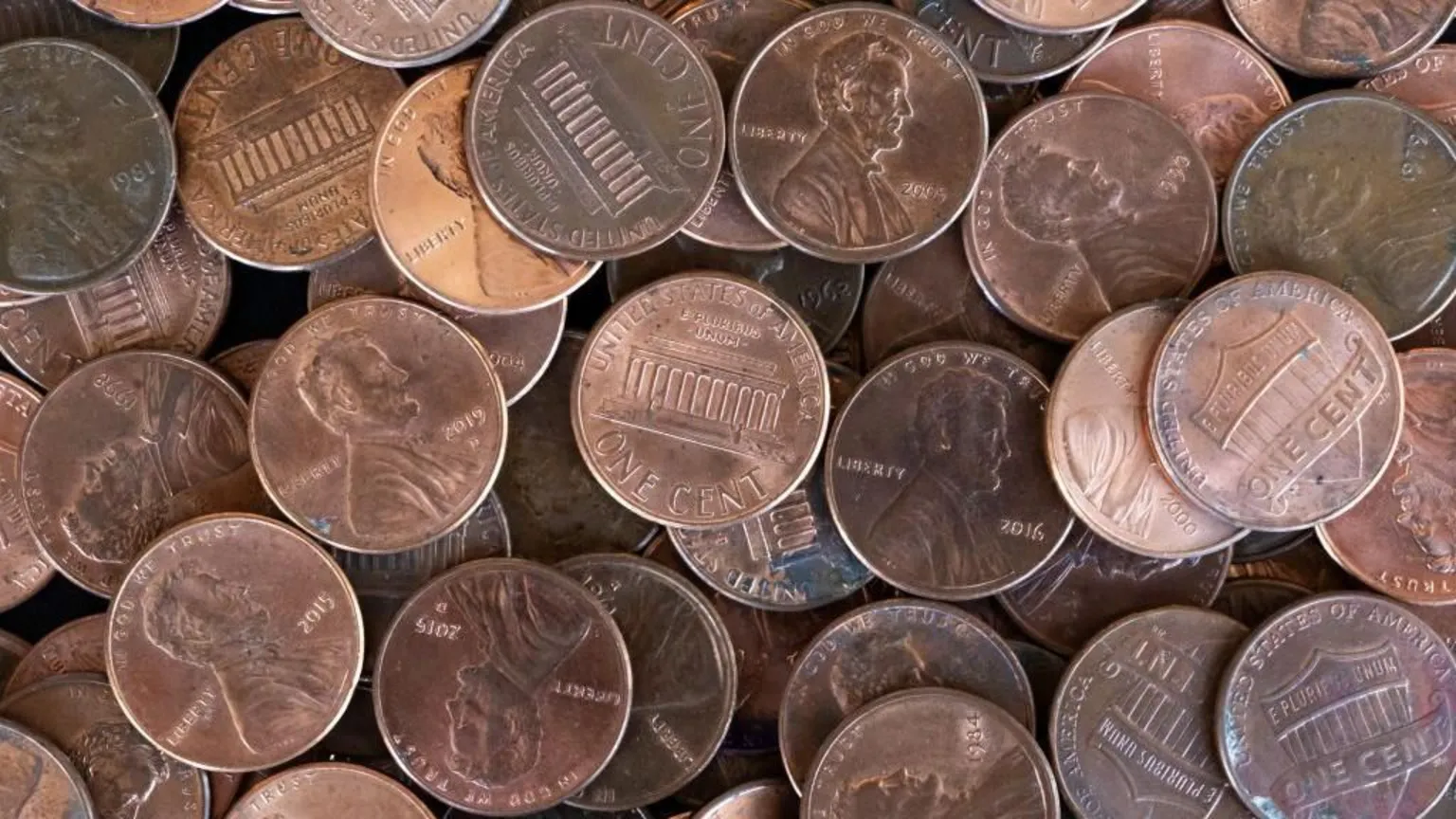
After more than two centuries of continuous production, the United States is minting its final penny this Wednesday at the Philadelphia Mint. The one-cent coin, long a staple of American wallets, will remain in circulation even as production comes to an official close.
The decision is already affecting businesses, which say pennies are becoming harder to obtain and are beginning to adjust pricing accordingly.
The government says ending the coin will save money, echoing President Donald Trump’s earlier remark: “Rip the waste out of our great nation’s budget, even if it’s a penny at a time.”
Treasury officials note that pennies, which honor President Abraham Lincoln and are composed of copper-plated zinc, now cost nearly four cents to produce—more than double their cost ten years ago. Eliminating production is expected to save approximately $56 million per year.
Digital payment methods have reduced the penny’s relevance. The coin, first minted in 1793, has accumulated in circulation far beyond what is required for commerce, with Treasury estimates suggesting some 300 billion pennies remain in use.
Many coins are simply not used. Around 60 percent of all pennies are stored at home, often in jars or piggy banks, representing $60 to $90 per household, according to a 2022 government analysis.
However, the elimination of the penny may slightly increase costs for shoppers. As businesses begin rounding prices to the nearest five cents, a Richmond Federal Reserve study calculates that consumers could collectively spend an extra $6 million per year.
Other nations have similarly retired their lowest-value coins. Canada ended one-cent coin production in 2012. Australia and New Zealand phased out one and two-cent coins in the 1990s, with New Zealand later stopping five-cent coin production in 2006.
In the UK, plans to scrap the one-penny coin surfaced in 2018 but were later dropped. Still, rising digital payments led British authorities to halt new coin production in 2024 after finding that enough 1p and 2p coins were already in circulation.
The next focus in the US may be the nickel, which has a face value of five cents but costs nearly 14 cents to produce. Removing it would have a more substantial financial impact, potentially adding $55 million per year in costs for consumers, according to the Richmond Fed study.































Comments
Sign in with Google to comment, reply, and like comments.
Continue with Google